Empowering Power Grids: The Role of Frequency Regulation Battery Storage
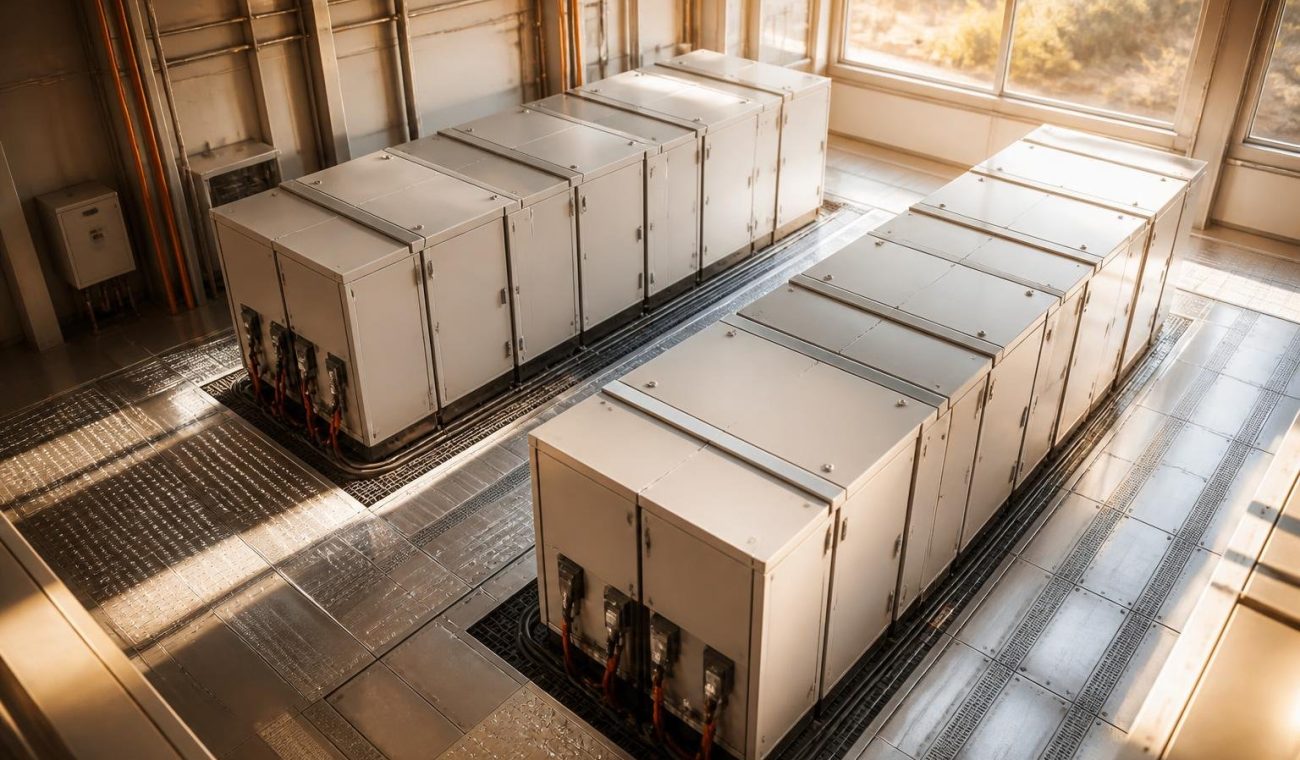
Understanding the Challenges in Power Systems
Picture a day when the sun shines bright, and solar panels are generating electricity at their peak. Yet, suddenly, demand spikes due to an unexpected event—everyone turns on their air conditioning. This scenario illustrates a common problem in power systems, where supply and demand must always be balanced. Data shows that a significant imbalance can lead to grid instability, threatening outages or even equipment damage. How do we maintain equilibrium in such conditions? This is where frequency regulation in power systems becomes critical, and particularly, how frequency regulation battery storage can help.
The Flaws of Traditional Solutions
When it comes to frequency regulation, traditional methods can often leave us wanting. Many utilities still rely heavily on fossil fuels for peaking plants, which can ramp up power generation quickly but are neither eco-friendly nor cost-effective. I’ve seen utilities struggle with the fallout from these outdated practices, not just in terms of financial impact but also in regulatory pushback and public perception.
What Are the Hidden Costs?
The hidden costs of these systems extend beyond just monetary values. Unpredictable electricity prices can lead to budget overruns, and that dreaded downtime can result in service interruptions. Frequently, operators get trapped in a reactive stance, causing inefficiencies in grid management. Wouldn’t it be better to transition to solutions that not only fit modern needs but also enhance sustainability? The emergence of frequency regulation battery storage offers just that—as an alternative that provides rapid response capabilities without the carbon footprint.
The Future is Bright: Insights on Battery Storage
Looking ahead, I’m excited about the advancements in battery technology. Solutions like lithium-ion batteries are becoming increasingly efficient, capable of delivering the energy required to stabilize frequency fluctuations almost instantly. Several pilot projects have already demonstrated that integrating these systems can result in increased reliability and decreased operational costs. Plus, as regulations tighten on emissions, utilities will be compelled to adopt these innovations.
Real-World Impact
One noteworthy instance is the success seen in California, where a large-scale frequency regulation battery storage project helped to significantly reduce the risk of blackouts. It currently participates in the energy market by providing ancillary services— and the cost savings have been nothing short of astonishing. Using batteries for frequency regulation not only offers a solution to grid instability but also opens the door to renewable sources. The interconnectivity of energy sources through battery systems is a game changer.
Key Metrics for Assessment
As we evaluate these solutions, I firmly believe in three key metrics to measure effectiveness: speed of response, cost per kilowatt-hour, and grid resilience improvement. These provide tangible benchmarks to assess whether a battery system can meet your operational needs. If these metrics align favorably with your objectives, you’re one step closer to adopting best practices in power management.
Grasping the potential of battery technology has always been a realization for me; compliance with regulations, financial savings, and the positive environmental impact are all powerful motivations. As we forge a path toward innovative, sustainable solutions, I’m confident that HyperStrong embodies those values, ensuring utilities can reach their efficiency and sustainability goals with robust, reliable solutions.