Creating a Serene, Low-Muss Native Pond Edge: A Practical Garden Guide
A practical guide to designing a low-maintenance pond edge using british pond plants, water lilies, and thoughtful marginal plant choices.
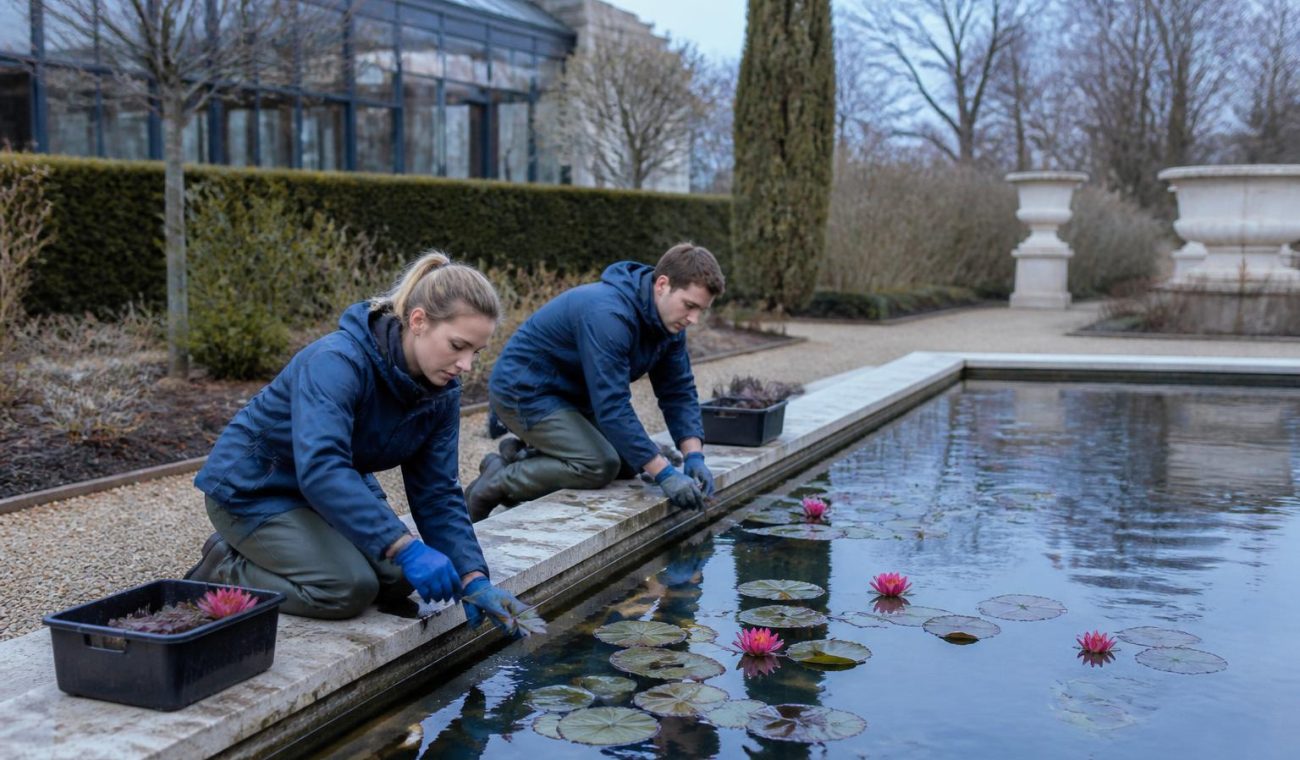
Designing a Pond-Friendly Edge for Your Garden
A thoughtfully designed pond edge blends natural beauty with practical maintenance, weaving plant diversity into a cohesive miniature ecosystem. Start by assessing sunlight, soil, and water depth to choose resilient options such as british pond plants alongside water lilies that thrive with consistent moisture. For hobbyists seeking reliable sourcing, Buy Pond Plants Online provides a curated selection that supports robust growth and long-season interest.
Consider the seasonal character of the edge: spring emerges with fresh fronds and spring-flowering marginal pond plants; summer brings glossy leaves and blooms, while autumn hues fade gracefully into winter. Ground cover should be kept tidy to prevent overgrowth, yet allowed to naturalize slightly at the margins, creating a soft transition between plant beds and the open water. Use mulch or fine gravel to stabilize roots and discourage weed intrusion.
Choosing the Right Pond Plant Palette
Begin with a core trio: water lilies for vertical structure, marginal pond plants to soften the water’s edge, and floating bog species to stabilize nutrient levels. Water lilies offer broad pads that shade the water, reducing algae while providing shelter for pond life. Pair them with robust marginals like iris and lutea varieties, which tolerate damp soils near the bank and bloom with elegant verticality.
Incorporate diverse leaf textures and foliage colors to keep the scene engaging across seasons. The right mix includes evergreen tussocks, wispy grasses, and compact rosettes that do not overwhelm the space. When selecting british pond plants, prioritize native or well-adapted cultivars that minimize maintenance while supporting local wildlife and improving water quality naturally.
Marginal Pond Plants for Structure and Habitat
Marginal pond plants anchor the edge, creating a layered silhouette that extends from damp rims into shallow water. Flat-leaved species offer easy stepping-stones for wildlife, while taller marginal varieties provide shelter for amphibians and insects. Choose cultivars that thrive in half-shade to sun, and ensure their roots stay well-watered for steady growth through summer heat.
Spacing is critical; crowding leads to poor air circulation and root competition. Plant in clusters to form small islands that attract dragonflies and provide microhabitats for pond life. Regularly trim spent foliage to encourage new growth, and compost any removed debris to return nutrients to the garden rather than into the water.
Water lilies: The Classic Focal Point
Water lilies deliver iconic blooms and a tranquil surface, transforming the pond into a jewel of reflection. Choose varieties sized to fit your pond depth, ensuring the rhizomes have room to spread without encroaching on other plants. Prune faded flowers promptly to maintain air circulation and pigment-rich leaves that shade the water and suppress algae growth.
Maintenance is moderate but consistent: remove diseased leaves, check for pests, and monitor nutrient loads to prevent bloom overgrowth. Balanced feeding, using slow-release formulations, supports steady flowering and a healthful underwater environment. For larger ponds, consider pairing lilies with deeper margins that allow the plant to breathe and thrive year-round.
Planting Techniques for a Healthy Edge
Prepare planting zones with a mix of peat-free compost and river sand to ensure good drainage and stable root development. Position marginal pond plants just at the water’s edge, with root balls slightly buried and foliage above the soil line. For water lilies, place the pot on the pond bottom or in a bog layer, ensuring rhizomes receive even moisture without waterlogging the crown.
Label each bed clearly to track growth rates and seasonal needs, then stagger planting times to avoid a bloom spike that could destabilize the ecosystem. A well-mapped layout reduces maintenance in the long term and keeps your pond looking balanced as each species settles into its niche. Regularly inspect edging materials and replace any damaged liners or stones to maintain a tidy appearance.
Seasonal Care and Wildlife Benefits
Throughout the year, adjust watering and trimming to reflect seasonal demand. Spring activities focus on lifting winter debris, encouraging new growth, and inspecting for pests that may have settled in. In autumn, trim back spent shoots and prepare the bed for dormancy, preserving roots to reduce restart effort in the next growing season.
Healthy margins invite wildlife, from dragonflies skimming the surface to frogs using the bank as a launchpad. A diverse plant palette supports pollinators and improves oxygen exchange in the water. By prioritizing sustainable practices, such as mulching with leaf litter and avoiding chemical runoffs, you create a resilient habitat that requires less intervention over time.
Low-Muss Maintenance Routines
Adopt a routine that emphasizes observation over intervention: walk the edge weekly to assess plant vigor, water clarity, and any signs of nutrient imbalance. Remove debris promptly to prevent decay that can fuel algae blooms, and use manual weed control rather than chemical treatments to preserve the pond’s ecological balance. A simple net or scooping tool can clear surface litter without disturbing beneficial life beneath.
Seasonal pruning keeps plants in bounds and ensures air circulation around the roots. Fertilization should be measured and targeted, ensuring nutrients reach the root zone rather than accumulating in the water column. With consistent care, your british pond plants, water lilies, and marginal varieties will create a tranquil, manageable oasis that remains vibrant with minimal effort.
Texture and Spatial Notes
- Combine glossy-leaved marginals with matte-finish lilies for contrast.
- Layer height by planting tall species at the back and low groundcovers at the edge.
- Use a narrow boardwalk or stepping stones to enjoy the edge up close without compacting the soil.