Creating a Lush Patio Oasis: Practical Steps for Home Improvement and Gardening
A practical guide to elevating your home interior and outdoor space with thoughtful gardening and decor ideas.

Setting the Foundation: Assessing Your Space and Goals
Begin by surveying your available outdoor area and interior transitions, noting sunlight, drainage, and wind patterns that influence plant choices and seating placement. Consider how the space links to indoor rooms and the flow of traffic between them, shaping color schemes, textures, and focal points. Buy Pond Plants Online to visualize how a living water feature might anchor your garden narrative and extend your interior style outdoors.
Next, set clear objectives: do you want a tranquil retreat, a family-friendly entertaining zone, or a productive kitchen garden visible from the kitchen window? Map out zones for dining, lounging, and growing, then select materials and decor that unify these areas. A well-defined plan reduces clutter and makes home improvement efforts feel cohesive rather than ad hoc.
Choosing a Color Story that Bridges Interior and Exterior
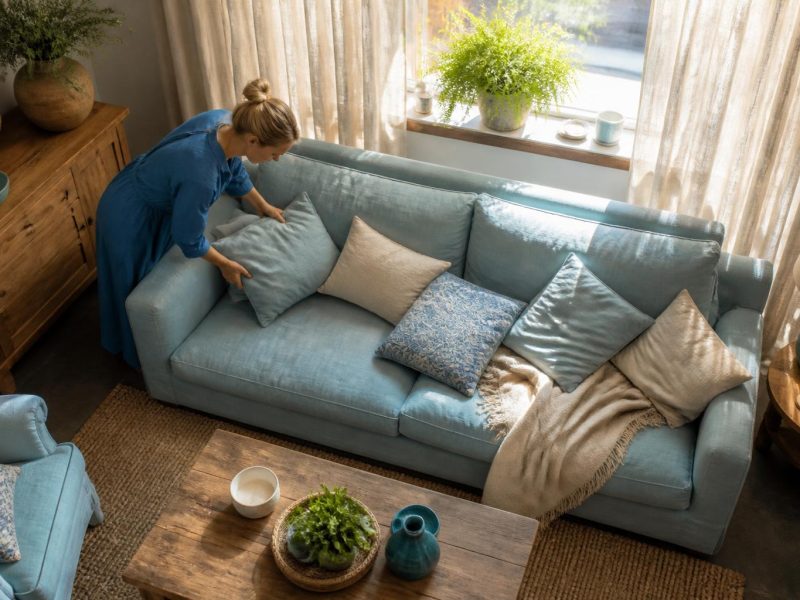
Develop a color palette that echoes your indoor decor while thriving in outdoor light. Neutral bases such as warm grays and soft creams can anchor furniture and planters, while accents in forest greens, terracotta, or cobalt provide seasonal pops. Incorporate textile textures—cushions, throws, and outdoor rugs—to bridge interior comfort with exterior durability against weathering.
Test swatches under different sun exposures to gauge color accuracy and mood. Pair plant foliage with corresponding pot finishes to create layered depth, mirroring a curated interior room. By aligning exterior hues with interior tones, you cultivate a seamless, inviting home environment that outwardly reflects your interior design sensibilities.
Practical Gardening: Plants, Lighting, and Irrigation
Choose plants that match your climate, soil, and water goals, balancing perennials for low maintenance with seasonal annuals for fresh color. Consider evergreen structure plants for year-round form and splashes of bloom to punctuate sightlines. Integrate herbs near the kitchen door to support convenient cooking and sensory delight around your living spaces.
Plan a simple irrigation approach, such as drip lines or soaker hoses, paired with a rain barrel to minimize water use. Use raised beds or smart pots to improve drainage and soil warmth, enabling earlier planting and easier maintenance. This practical setup supports consistent growth while keeping chores manageable within a busy home improvement routine.
Water Features: Serenity, Habitat, and Sound
A compact pond or fountain can become the focal point of your garden, attracting wildlife and providing soothing soundscapes that enhance interior calm. Position water features where they can be heard from seating areas and viewed from interior windows to maximize their restorative effect. Ensure safety with child- or pet-friendly designs and appropriate fencing if needed.
Choose a feature that suits your budget and upkeep capacity: tabletop fountains require minimal space and cleaning, while larger pond installations offer greater biodiversity. Incorporate edging with natural stones or timber for an organic look that echoes interior stone or wood accents. The result is a cohesive narrative between home and garden, enriching every room you inhabit.
Seating and Shade: Comfortable Outdoor Rooms
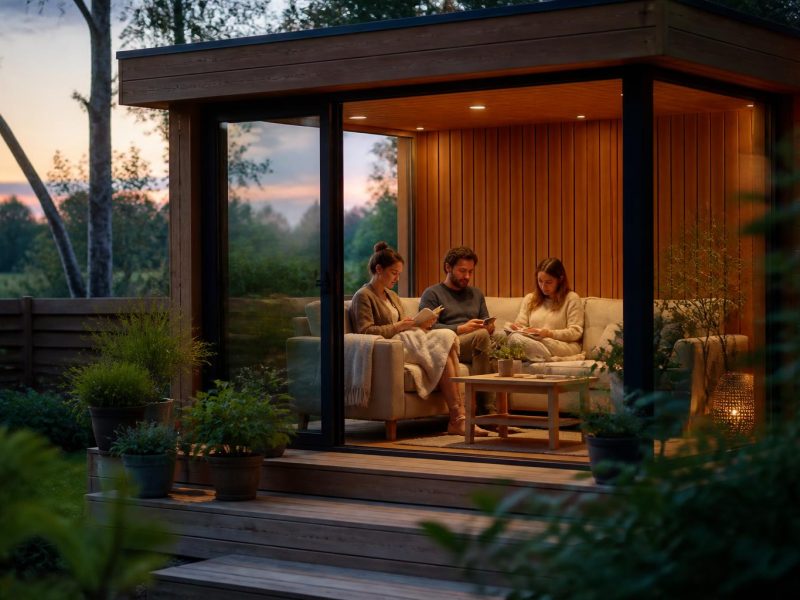
Design patios and decks as extensions of living spaces, using modular furniture that can reconfigure for dining, lounging, or working outdoors. Select durable fabrics in weather-resistant blends and use cushions in layered textures to mimic interior textiles. Integrate a shade strategy with pergolas, sails, or tall plant screens to maintain comfort throughout changing sun angles.
Incorporate lighting that transitions from ambient to task-focused, supporting evening gatherings and late-night reading outdoors. Include warm bulbs and lanterns alongside dimmable options to mirror the soft gradients of indoor lighting. These choices transform exterior spaces into versatile, inviting rooms that complement interior decor without feeling separate or disconnected.
Edible and Ornamental Planting: Diversity for Joy and Wellness
Create a mixed palette of edible crops and ornamental specimens to maximize garden utility and beauty. Place culinary herbs at balcony or kitchen-level access for practical convenience, while root vegetables and compact fruiting shrubs offer a sense of abundance. A pollinator-friendly mix with seasonal blooms supports local ecology and aesthetic richness that resonates with gardeners and decor enthusiasts alike.
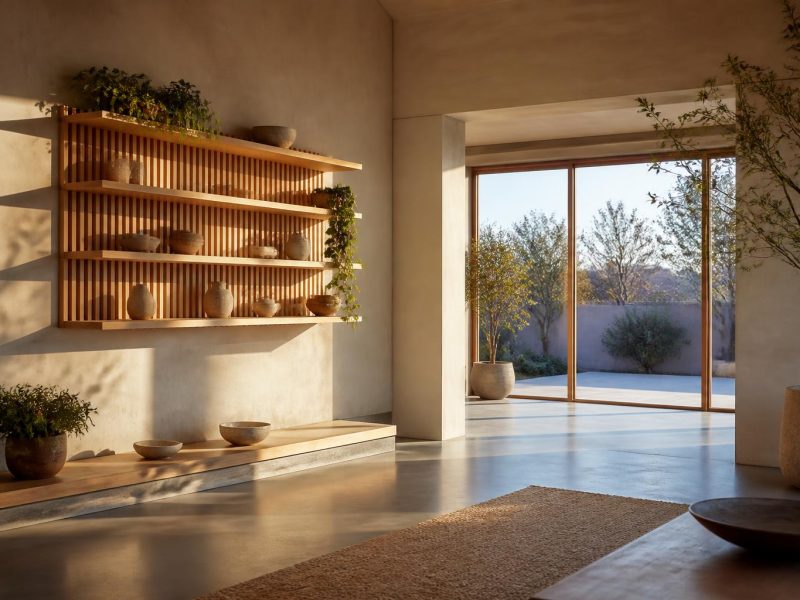
Vertical gardening or espaliered fruit trees can save space while adding architectural form, echoing interior shelving and display ideas. Combine fragrant flowers with evergreen structure plants to ensure year-round interest. This balanced approach to planting sustains visual appeal and practical harvests within a limited footprint, enriching both home improvement and day-to-day living.
Maintenance Rhythms: Scheduling, Tools, and Eco-Conscious Choices
Develop a seasonal maintenance calendar that aligns with indoor cleaning and decluttering cycles, ensuring exterior upkeep remains manageable and predictable. Invest in quality hand tools, ergonomic aids, and modular garden storage to minimize effort and maximize efficiency. Routine checks for irrigation, drainage, and soil health prevent bigger problems later and keep both interior and exterior spaces feeling cared for.
Adopt eco-conscious practices such as composting, mulching, and native planting to support soil life and reduce waste. Use durable, recyclable materials for planters and furniture to extend the life of outdoor features. By embedding sustainable habits into your home improvement routine, you preserve the garden’s vitality while maintaining harmonious decor across zones.
Texture and Microclimates: Layered Details
- Use a mix of smooth and textured materials (stone, wood, metal) to echo interior tactile variety.
- Create microclimates with sun traps and windbreaks to protect delicate plants.
- Incorporate vertical greens and trailing plants to maximize small spaces.
Closing the Loop: Color, Comfort, and a Living Gallery
Conclude with a cohesive color and material strategy that travels from entryway to back boundary, maintaining rhythm as you move between spaces. Add personal touches through art pieces, textiles, and garden sculptures that reflect your interior style while withstanding weather. The garden should feel like an evolving gallery that complements daily living and decor choices.
Finally, ensure accessibility and safety by providing clear pathways, non-slip surfaces, and convenient seating heights. A well-planned garden supports physical activity, mental well-being, and social connection, mirroring the purpose of well-designed interior spaces. When both areas harmonize, your home radiates a confident, enduring sense of place.