Compact Hiking Tents: Which Features to Compare Before You Commit
Why a side-by-side look helps
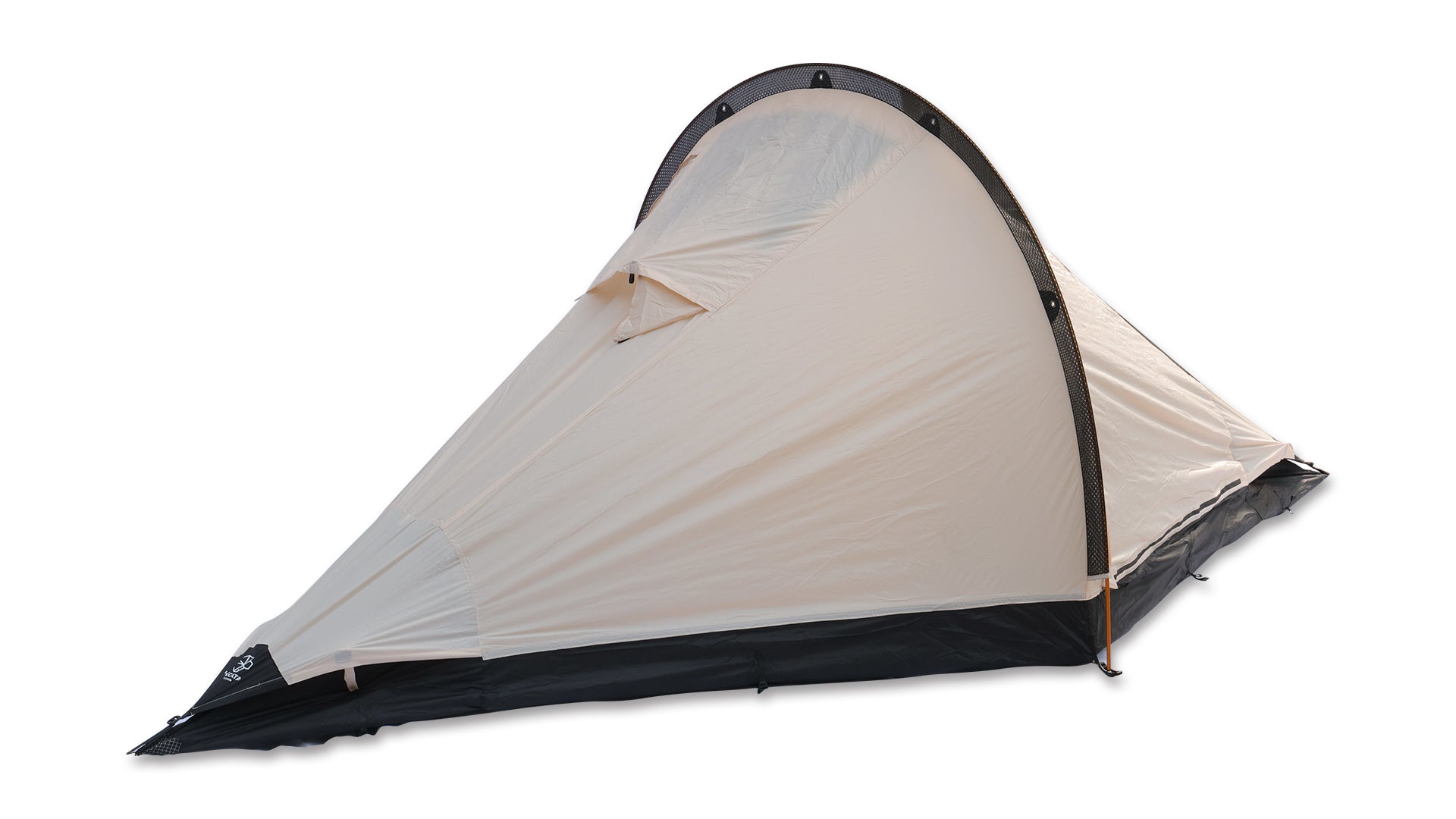
You want shelter that fits the trip, not the marketing copy; start by lining up trade-offs and prioritize what you actually need. As someone who coaches teams on gear choices and listens to nervous first-time ultralighters, I use a simple lens: weight versus weather protection versus daily living space. If you're chasing minimal pack weight, check options labeled hiking tent ultralight early in your shortlist, then test them against the other needs on this list.
Weight and packed volume — the first decision point
Light weight is seductive, but packed volume matters just as much when you’re squeezing a tent into a small pack. Compare the stated trail weight, then the packed length and diameter — a 1.2 kg tent that packs long can still be awkward on technical approaches. Look for components that shave grams without increasing complexity: lighter poles are good, but tiny, fiddly stakes or flimsy zippers can cost time and morale on cold mornings.
Seasons and weatherproofing — not all “3-season” tents are equal
Evaluate fly and floor materials, hydrostatic head ratings, and seam treatment. A lighter fly with higher-coated fabric reduces weight but may flap or ice up in strong winds; thicker floors resist abrasion but add weight. Pay attention to vestibule design: a small vestibule saves weight but limits gear storage in wet conditions. For strong, sustained weather you’ll want reinforced seams and robust guy-out points more than a few grams shaved from the fly.
Livability: interior space, vestibules, and ventilation
Livability is where comfort and safety meet. Headroom and floor dimensions determine if you can dress inside, sort gear, or sleep two without tripping over packs. Ventilation choices stop condensation; look for adjustable vents that work when the fly is closed. Compare how each tent balances floor area with weight — sometimes a slightly heavier model gives better sleep quality on multi-day trips.
Pitching systems and real-world usability
Single-wall tents are lighter and faster to pitch, but double-wall systems are more forgiving in wet conditions. Evaluate whether a tent requires guylines and stakes to stand correctly; some ultralight designs need more fiddling to stay taut. If you expect tired, dark pitches after long days, prioritize straightforward clip-and-pole systems over complex tension setups.
 Materials and hardware: what lasts versus what saves grams
Compare pole materials (aluminum vs. carbon), fabric denier, and zipper quality. Carbon poles save weight but can fail catastrophically; aluminum bends but can be repaired in the field. Higher-denier floors resist abrasion on rocky sites, and YKK zippers run longer without sticking. Small durability choices matter most when you’re far from replacement parts.
Common mistakes that skew comparisons
Don’t assume the lightest tent performs best for all conditions. Avoid mixing marketing specs with real setup experience; manufacturers list ideal weights that exclude stakes or repair kits. Also, don’t neglect packability — a tent that won’t fit a common pack sleeve effectively isn’t lighter in practice. Compare complete systems, not isolated numbers.
Viable alternatives to consider
If you can accept slightly more weight, a semi-freestanding design can add convenience and durability without a big penalty. For solo hikers, single-wall or tarp-tent hybrids deliver very low weight but demand skilled pitching. If you frequently face wet, windy alpine approaches, a sturdier double-wall tent often wins the exchange of grams for reliability.
Field context and an evidence note
Over repeated field tests and guiding stints across the Swiss Alps I’ve seen how tents respond to real wind loading and wet pack-downs; those encounters taught me to favor straightforward tension systems and reinforced guy points. That practical testing insight applies directly when you shop for a lightweight mountaineering tent and helps separate neat specs from usable performance.
Final synthesis
Compare weight, protection, and livability side by side, then run each option through a simple checklist: can I pitch this quickly, will it handle the worst weather I expect, and does it pack into my real kit? That comparative logic points you to a practical choice rather than a marketing promise, and it’s the same approach I recommend when advising colleagues or packing for multi-day routes—an approach you can also refine using resources from THECATAL.