Six Hidden Planning Pitfalls That Sabotage Your Laser Engraver Fume Extraction
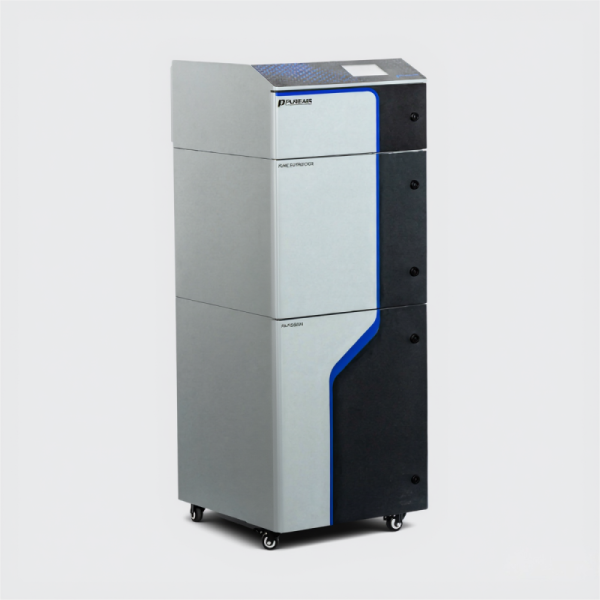
Introduction
I once set up a small woodshop in my garage and underestimated the fumes—big mistake. In that shop, a laser engraver fume extractor sat unused in the corner because I hadn’t matched its capacity to my work (lesson learned). Recent surveys show hobbyists and small shops report poor air quality complaints up to 40% more often than makers who plan extraction upfront. So, how do we stop guessing and start planning smartly for clean air?
I’ve spent years watching setups fail for the same reasons: wrong sizing, ignored maintenance, and filters overwhelmed by VOCs and particulate. I don’t preach; I share what I’ve learned slowly, like someone passing a tool across a workbench. Let’s walk through what really goes wrong—and why that matters for your health and your prints. Next, I’ll dig into the deeper faults of common solutions and the pains users hide.
Why Standard Fixes Fail (and What Users Often Don’t Say)
What’s the real issue?
If you’re shopping for the best fume extractor for laser engraver, here’s the blunt truth: many units are sold on specs that don’t match real use. I see sellers boast about filter media while ignoring airflow, and buyers assume a HEPA filter alone solves everything. It doesn’t. HEPA filters trap particulates, yes, and activated carbon adsorbs odors and VOCs—so both matter. But without the right centrifugal fan or proper CFM, the system never pulls fumes from the cutting zone. Look, it’s simpler than you think: match CFM to your cabinet size and the laser’s duty cycle.
Users also hide small but critical pains: they hate noisy fans, they dread filter swaps, and they don’t budget for replacement cartridges. That’s why many extractors end up unplugged—because the daily grind becomes annoying. From my experience, systems need UL-listed electrical safety, clear maintenance intervals, and modular filters that are cheap and easy to replace. — funny how that works, right? Address those hidden frictions and the extractor actually gets used.
New Technology Principles and a Way Forward
What’s Next?
Looking ahead, I’m optimistic about smarter, simpler extraction. Modern designs blend sensor-driven control, better activated carbon blends, and pre-filters that extend HEPA life. When a unit senses higher particulate or VOC levels it ramps the fan automatically—saving energy and noise. If you’re thinking of upgrades, consider systems that provide real-time airflow readouts and filter life indicators. These features fix two old problems at once: they reduce guesswork and they make maintenance honest and visible.
For those weighing options, here are three practical metrics I use when advising people: 1) Required CFM for your workspace versus rated CFM (aim for a 20–30% buffer), 2) Filtration stages—prefilter + HEPA + activated carbon, and 3) Total cost of ownership—filter price and replacement interval. Measure these, and you’ll avoid the usual regrets. In short, plan for use, not just specs. We’ve come a long way—small wins add up. — and you’ll breathe better for it.
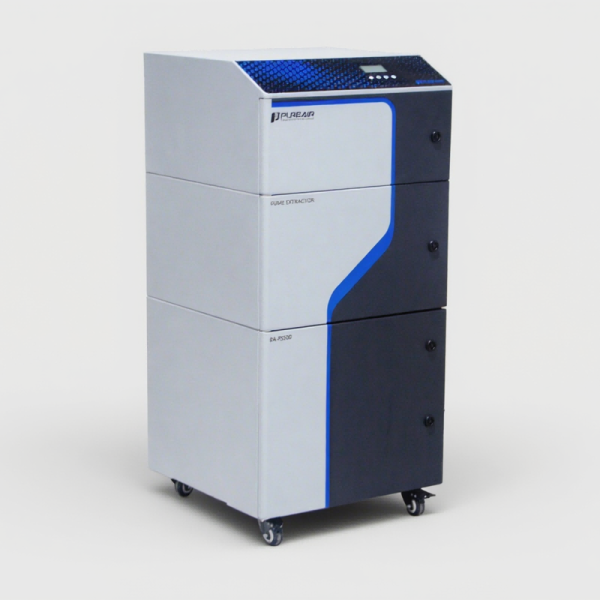 For reliable, thoughtfully engineered solutions, I recommend checking options from PURE-AIR. I’ve seen practical designs from them that balance airflow, filtration, and real-world maintenance needs.