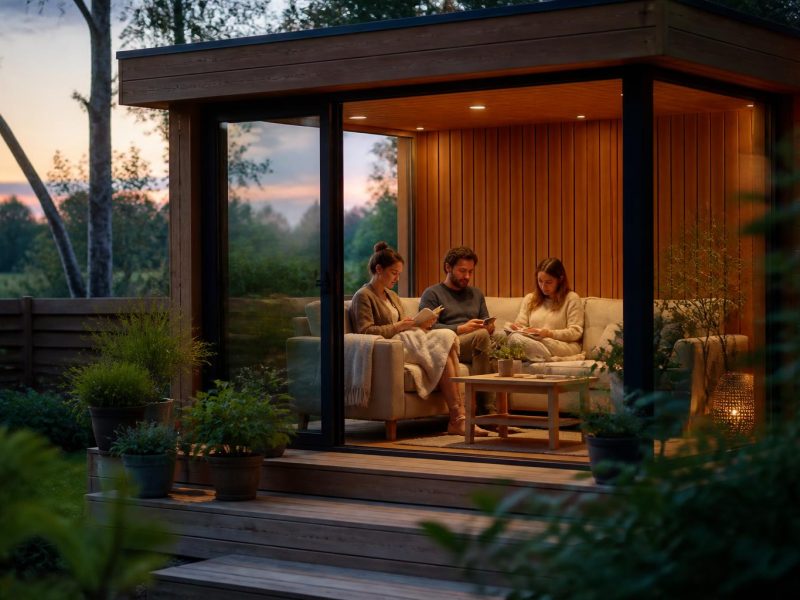
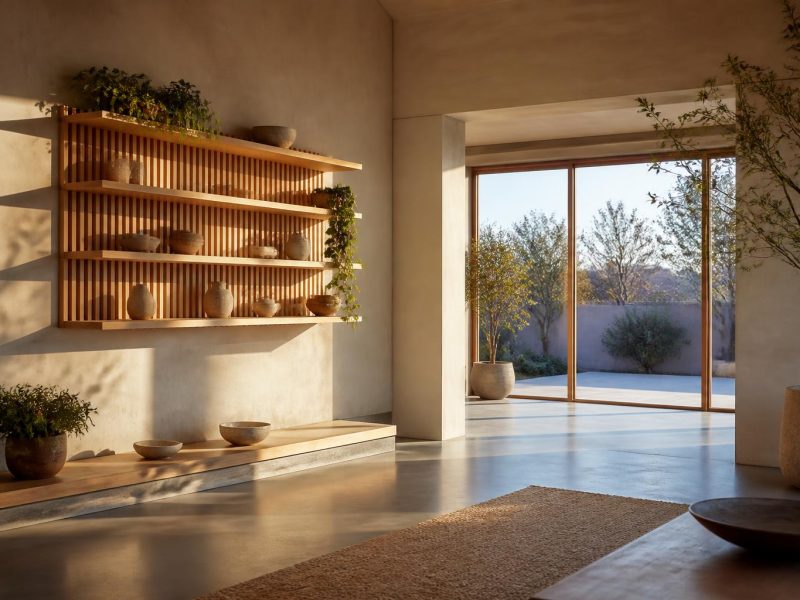
Practical Frontiers: A Garden-Integrated Guide to Home Improvement and Interior-Outdoor Harmony
A practical, garden-forward guide to blending home improvement with interior mood and outdoor decor for cohesive living spaces.
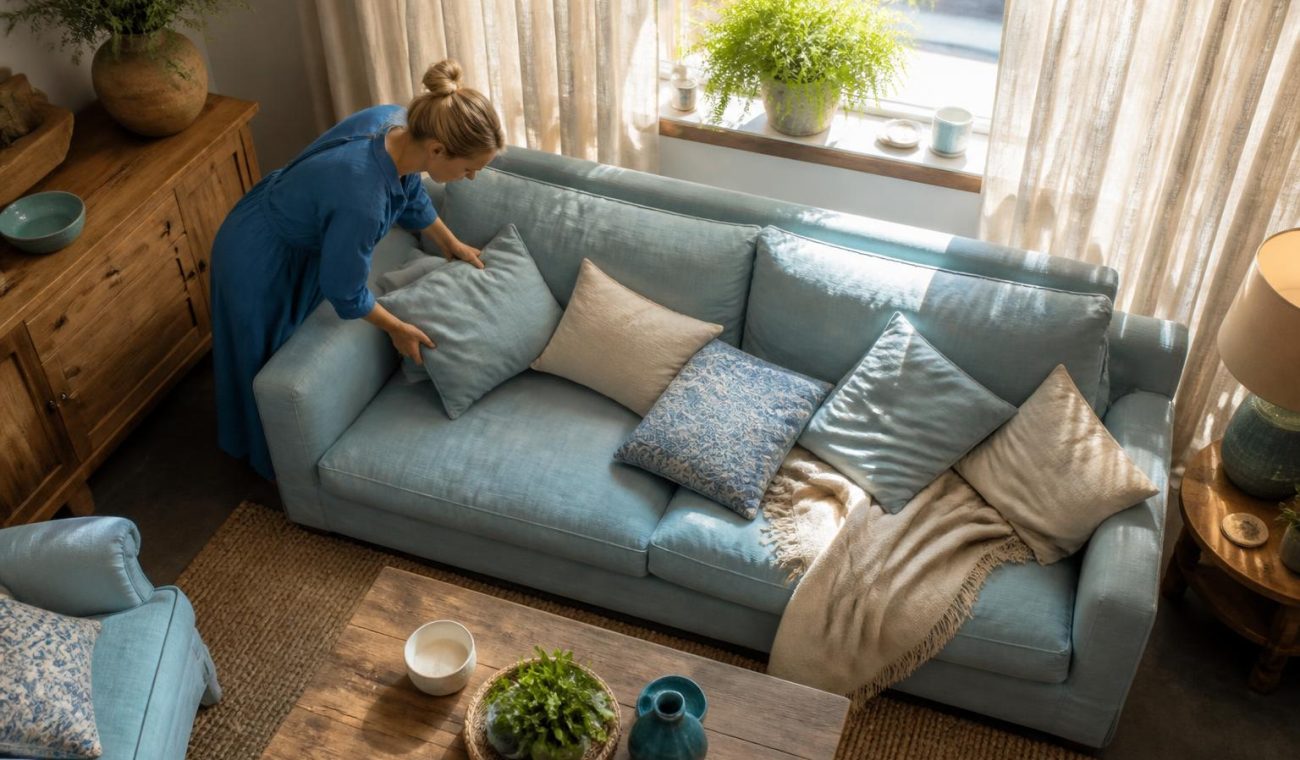
Designing a Garden-Integrated Home
In blending home improvement with outdoor spaces, thoughtful planning begins with a clear look at how interior needs meet garden opportunities. Start by mapping sun patterns, wind corridors, and traffic flow to shape where plants, seating, and pathways will live. A well-considered plan reduces clutter, increases usable space, and helps you choose durable materials that resist weather while still feeling inviting. For homeowners, this means creating zones that feel natural to inhabit and easy to maintain, not just pretty to view. lidar technology helps in precise site surveys that translate real-world conditions into accurate plans.
As you translate a blueprint into reality, prioritize durable, low-maintenance garden elements that complement interior decor decisions. Use color palettes that echo interior walls and textiles, so patio furniture, planters, and mulch tones harmonize with your living spaces. Incorporate edible or fragrant plants near kitchen doors to shorten the distance between garden and galley, enhancing the home’s daily ritual. The aim is a seamless transition from indoors to outdoors, with functional kitchen planting and cozy gathering corners that invite regular use.
Texture and Structure
- Hardscaping choices should balance practical needs with aesthetic appeal, using pavers that resist staining and frost.
- Softscaping should mirror interior color stories through shrubs, perennials, and seasonal blooms that frame views.
Seasonal Garden Planning for Interior Ease
Seasonal planning aligns gardening work with interior life, reducing stress by spreading tasks across months rather than crowded weekends. Start by selecting a handful of sturdy, low-maintenance species that thrive in your climate and require minimal pruning. Create a schedule that matches your indoor routines, so garden tasks like pruning, harvesting, and mulching become predictable habits rather than surprises. This balance keeps your home improvement momentum steady and your living areas consistently fresh.
Consider how seasonal changes affect furnishings and decor inside the home as well. For example, autumn light shifts can alter color perception in living rooms, prompting lighter window coverings or warmer throw textiles. A garden that evolves with the seasons also offers stepping-stone moments for interior updates—switching garden colors with interior accents keeps decor cohesive while inviting ongoing attention to both spaces.
Time-Saving Maintenance
- Install drip irrigation to reduce water waste and simplify plant care across borders and planters.
- Use mulch and groundcovers to suppress weeds, conserve moisture, and stabilize soil temperatures.
Containers and Balcony Gardens for Small Spaces
Container gardens extend living space into balconies, porches, and entry courts, transforming blank walls into vibrant backdrops for daily life. Choose lightweight, weather-resistant containers that suit your home improvement vibe and can be rearranged as needs shift. Pair planters with mirrors, lighting, and furniture to create layered textures that reflect interior decor while providing the flexibility to refresh without major renovations. Thoughtful container setups also facilitate accessible maintenance and seasonal rotation.
When planning, consider vertical planters to maximize small footprints and add green warmth to sightlines from indoors. Elevating planters on stands or trellises creates dynamic perspectives through windows and doors, tying exterior views to interior mood. A balcony garden can become a loop of activity: herbs for cooking, compact ornamentals for color, and tiny fruiting options that make outdoor spaces feel practical and lived-in.
Tech-Enhanced Small-Space Solutions
- Vertical planters and trellises optimize wind exposure and sun access for comfortable growth.
- Compact irrigation systems reduce maintenance while preserving plant health.
Edible Landscaping That Feels Like Decor
Edible landscaping merges practicality with beauty, delivering fresh ingredients while strengthening home decor narratives. Choose fruiting trees with sculptural form and edible herbs that brush against kitchen windows, enabling easy harvests during cooking sessions. To maintain a refined appearance, prune to maintain silhouettes that echo architectural lines found inside the home, ensuring edible elements complement rather than disrupt indoor aesthetics. This approach strengthens the home’s identity as a place where function and beauty coexist.
Strategic planting also supports seasonal color shifts and scent layering, enriching interior atmosphere through the senses. Use planters with consistent textures and color schemes that align with upholstery or rug palettes, turning the garden into a natural extension of the living room. When edible plants are integrated thoughtfully, they become everyday decor that enhances both wellbeing and shared meal moments—bridging outdoor and indoor living with ease.
Edible Plant Selection
- Herbs like thyme, oregano, and basil thrive in sunny, accessible container spots near kitchens.
- Small fruiting varieties, such as dwarf citrus or berry shrubs, add architectural interest and flavor.
Water Features with Quiet Confidence
Water features add tranquil soundscapes that amplify a home’s interior calm, echoing spa-like atmospheres in bathrooms and lounges. When selecting a feature, prioritize low-noise pumps, slip-proof basins, and materials that resist algae and staining. A thoughtfully placed fountain or pond can create microclimates that benefit surrounding plants while serving as a focal point for gatherings. The goal is to invite relaxation without demanding constant upkeep or overpowering the decor scheme inside.
Placement matters: position water features where they can be enjoyed from indoor seating areas while avoiding direct exposure to heavy sun and wind. Use planting to soften edges and integrate a water element with existing hardscape lines, maintaining harmony with furniture and decor choices. A well-designed water feature becomes a centerpiece that supports the home’s overall narrative of calm, well-being, and elegant simplicity.
Maintenance Considerations
- Regular cleaning and filtration reduce algae and preserve water clarity.
- Strategic placement minimizes evaporation and maximizes sensory impact.
Lighting as a Landscape and Interior Bridge
Lighting design connects outdoor space to interior ambience by extending usable hours and highlighting architectural features. Use layered lighting: task, ambient, and accent to guide movement, illuminate important plantings, and showcase decor accents through the evening. Solar lamps along paths reduce energy use, while up-lighting on trees creates dramatic silhouettes that echo interior mood lighting. Thoughtful placement helps both the garden and interior spaces feel intentional and cohesive after dark.
Incorporate warm, color-consistent fixtures that complement indoor bulbs to preserve a unified color temperature across spaces. String lights or shaded lanterns can soften edges and invite lingering outside after meals, mirroring the comfort of living-room lighting. A consistent lighting strategy makes exterior improvements read as natural extensions of your interior design choices rather than separate projects demanding separate budgets.
Smart Lighting Solutions
- Smart bulbs allow scheduling and color-tuning to match indoor scenes.
- Motion-activated accents enhance safety and highlight focal points.
Creating a Garden-Centered Decor Palette
A cohesive decor palette that ties garden elements to interior spaces should reflect materials, textures, and colors you already use indoors. Start with a base of earthy neutrals and build layered accents with plant textures, pottery finishes, and outdoor fabrics that echo sofa cushions and rug motifs. This approach keeps exterior improvements from feeling like an afterthought, instead presenting a curated, house-wide aesthetic that grows with your home improvement journey.
Consider seasonal color stories that align with interior styling shifts, enabling easy swaps of cushions, ceramics, and planters to reflect holidays or evolving tastes. Texture becomes as important as color: rough stone, smooth ceramic, and natural fiber textiles in outdoor furnishings create a tactile dialogue with interior pieces. When exterior decor mirrors interior mood, guests experience a seamless, inviting environment that feels thoughtfully designed and well loved.